




Manuals for Getting By
Curated by Tamar Margalit
Curated By Festival, Vienna
11 September - 03 November 2026
So long as that woman from the Rijksmuseum
in painted quiet and concentration
keeps pouring milk day after day
from the pitcher to the bowl
the World hasn’t earned
the world’s end.
— Wisława Szymborska, Vermeer (2009)
My working will be the work.
— Mierle Laderman Ukeles, Manifesto for Maintenance Art (1969)
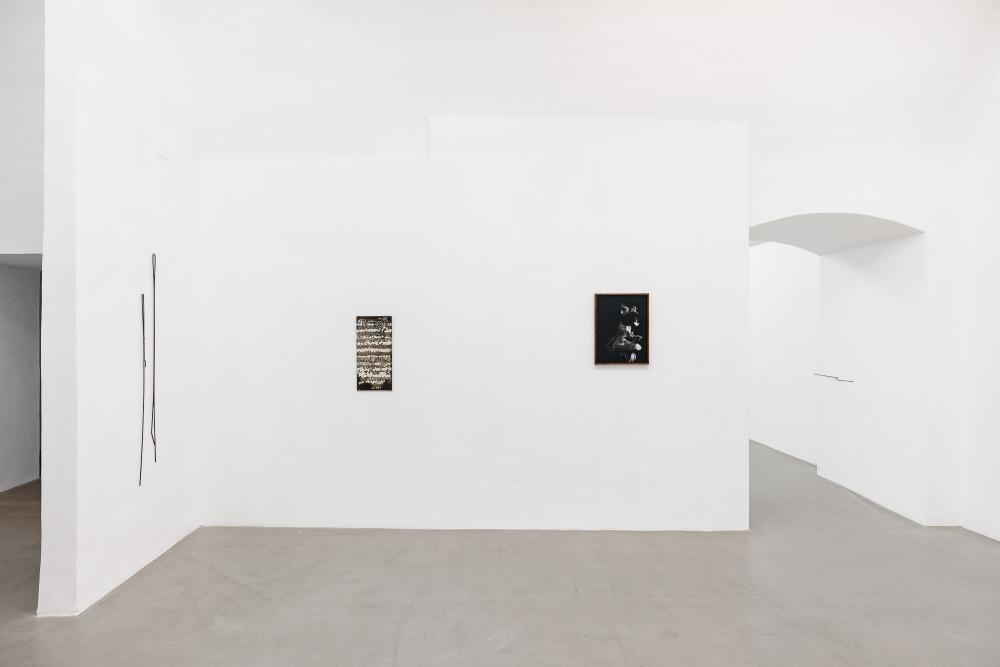
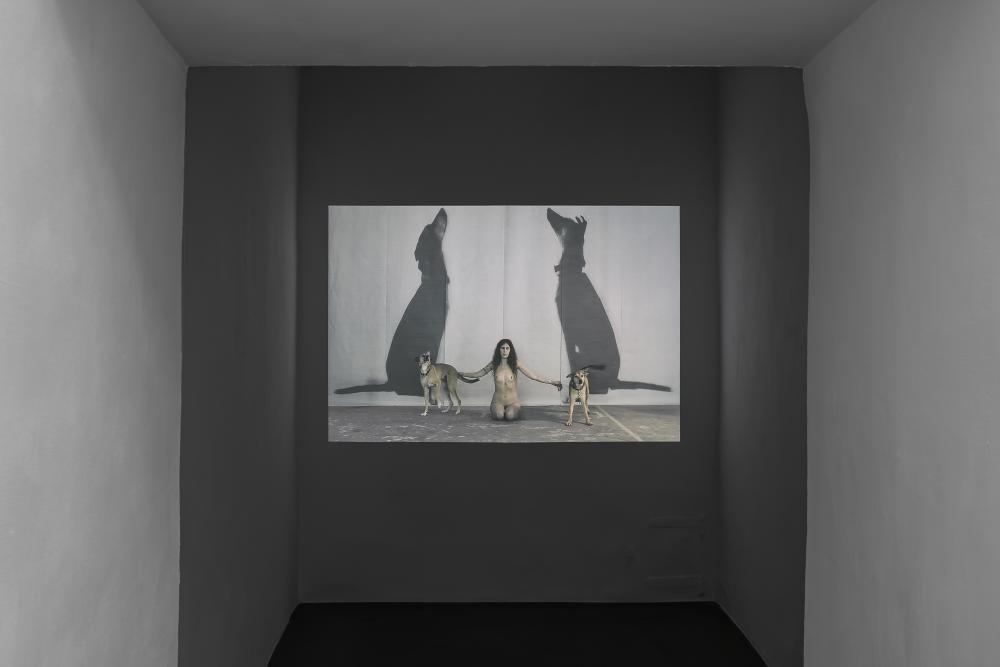
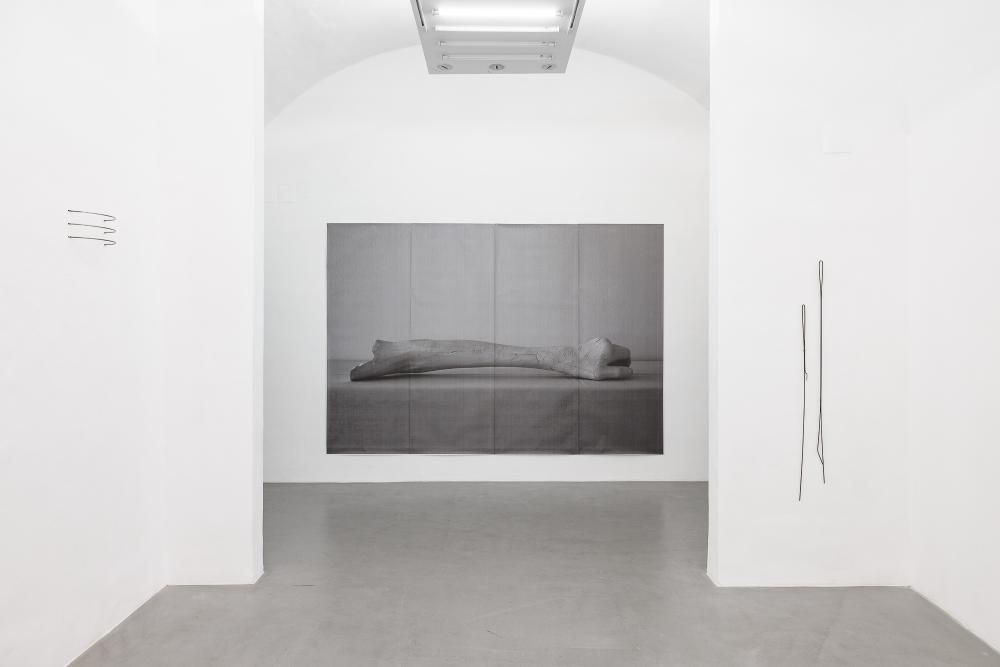
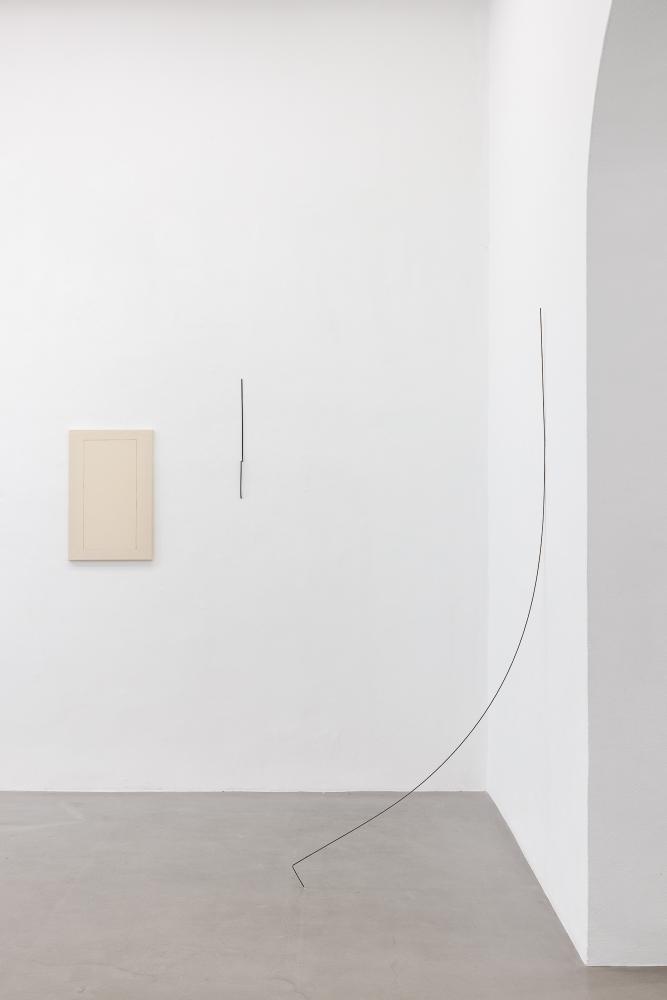
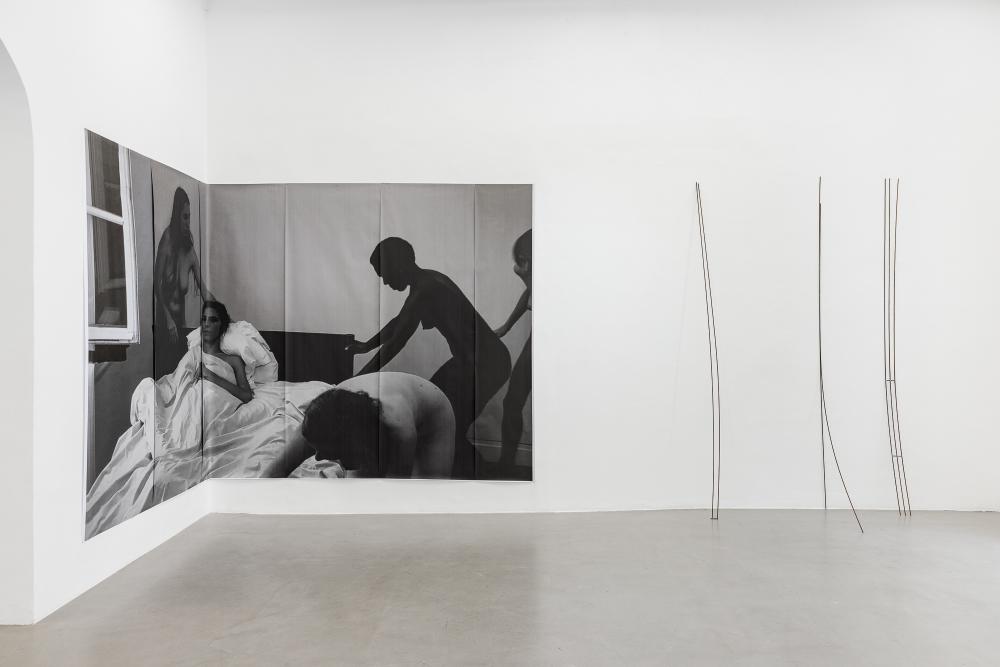
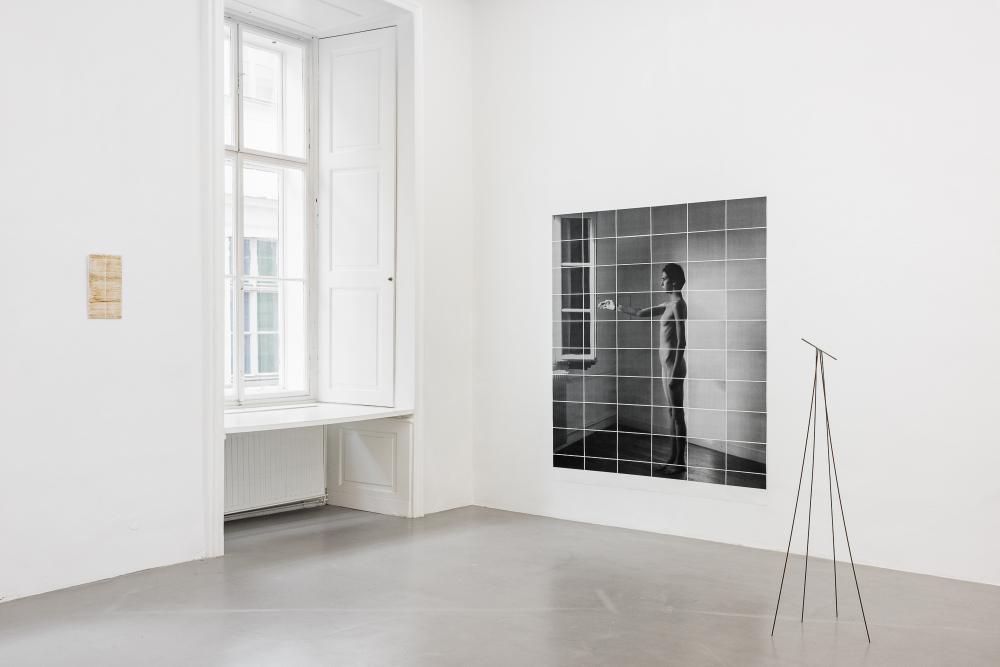
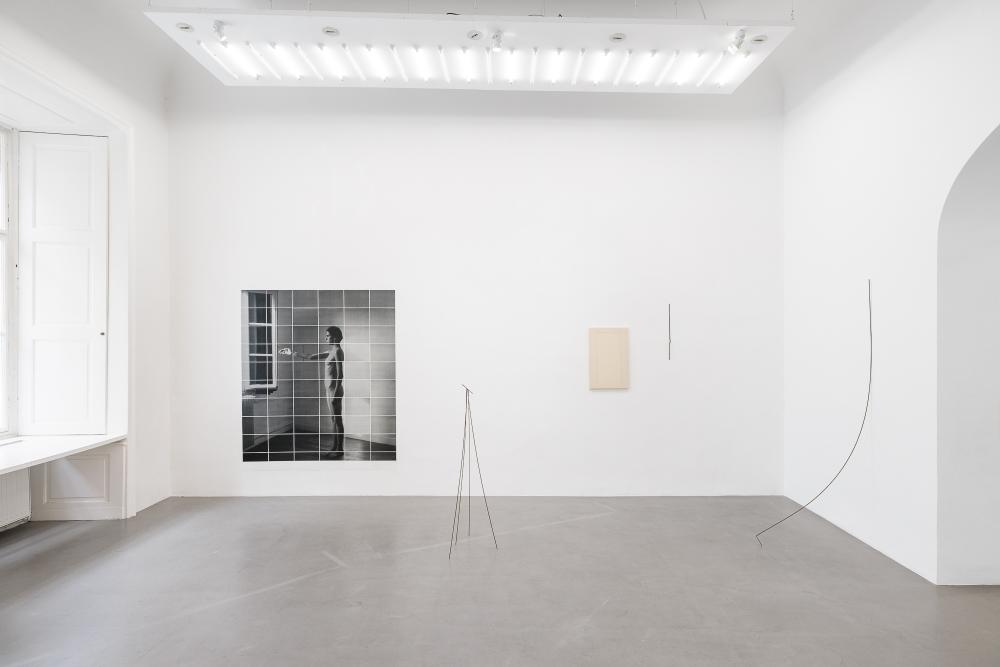
Manuals for Getting By brings together the work of Chen Cohen and Melanie Ender, two artists whose practices revolve around acts of attention to, and intimacy with, matter. Working in different media and approaches — Cohen predominantly in photography, mostly depicting the body, often her own, and Ender primarily in sculpture, seemingly abstract — their works nevertheless share a certain logic and sensibility. Both approach the very idea of existence, of being, as something that requires continual negotiation with the world, whether through acts of adjustment, endurance, or care. They think through serial procedures: gestures are repeated, materials returned to, images are printed and reprinted, surfaces allowed to change, forms continually adjusted. Repetition for them is a way of testing how bodies, objects, and relationships persist under changing conditions.
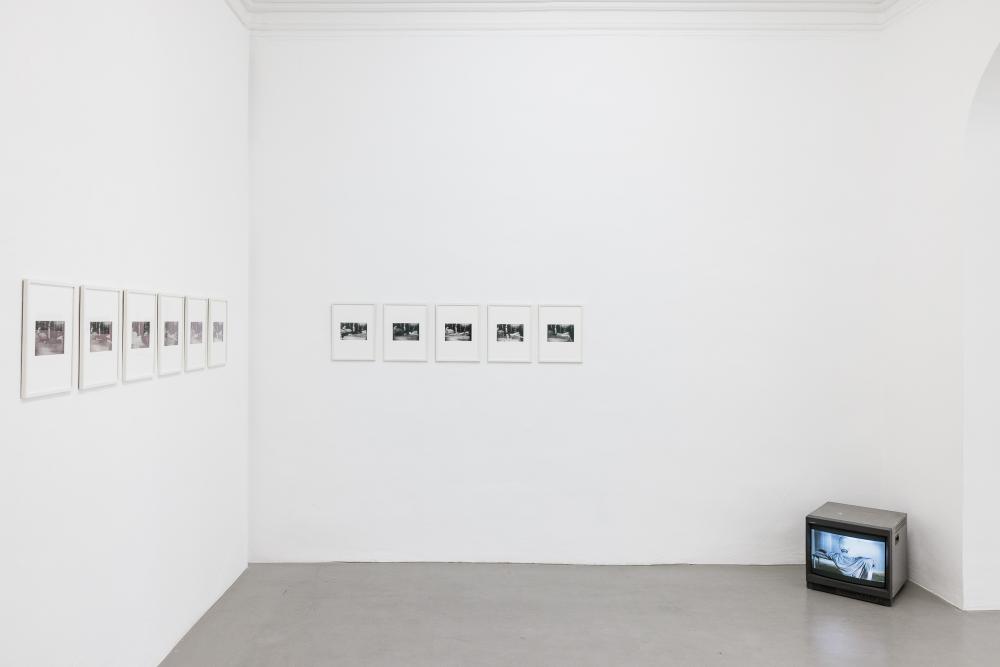
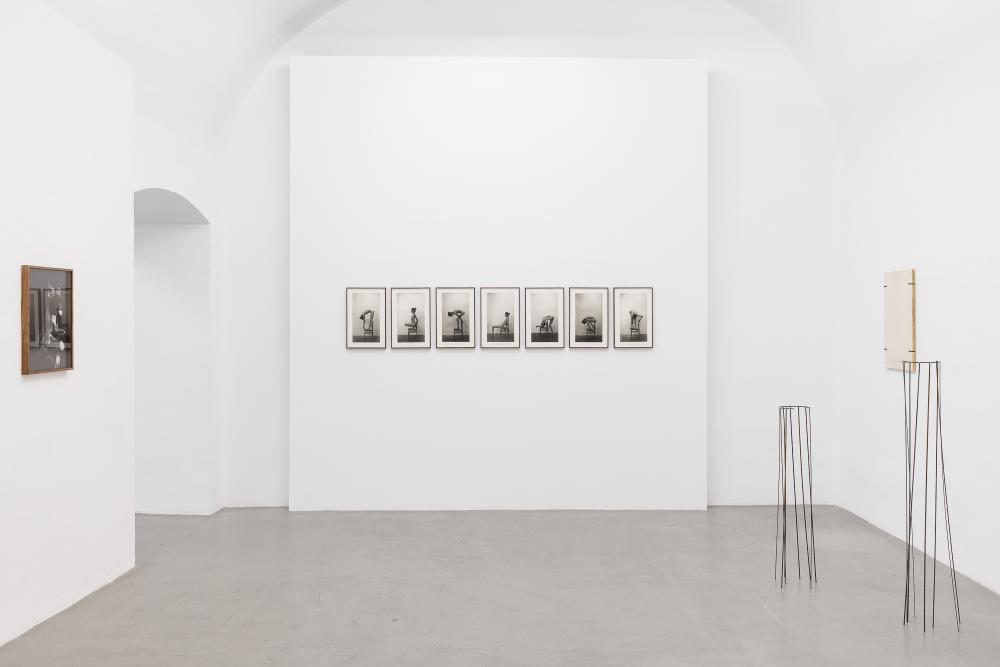
Chen Cohen's photographs are not composed as singular images. Rather, they emerge from actions performed and recorded on camera — any camera — and are then printed, reprinted, copied, and degraded. For Cohen, the loss of information seems to distill a trace of vitality. Friends hold her, carry her, steady her, clean her, hurt her when asked, becoming collaborators in an ongoing negotiation with the body's limits and desires. Her images are poor and skeletal but carry the charge of a body that is fragile, resilient, and intensely alive.
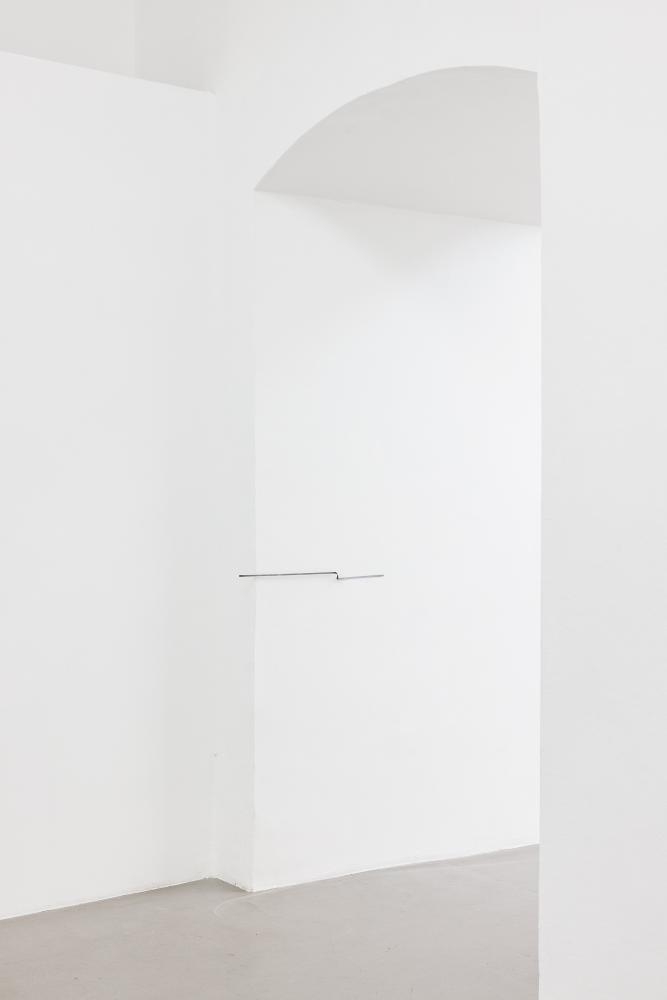
Melanie Ender's installations emerge from similarly recursive procedures. Scrap metals that she collects from the scrapyard such as copper, steel, brass, or aluminum — are wiped clean, bent, balanced, and reconfigured. The residue left from cleaning an oxidized surface is transferred onto raw cotton, where it becomes part of her work's life cycle. Her sculptures rarely stand independently. Limb-like metal forms curve and bend, leaning against walls or balancing only just enough to remain upright. They rust, oxidize, corrode. Time eats away at them, but this is expected, even welcomed.
The exhibition borrows its title from the modest promise of a manual — a set of provisional instructions assembled through practice. Here, the manual becomes a way of thinking about how to cope. Bodies lean on other bodies. Materials require tending. Forms persist by adapting to their own instability. Tenderness emerges as a mode of sustained attention: to another person, to one's own body, to the stubborn materiality of the world. Maintenance, in Ukeles's sense, is not merely practical. It is existential. Like the milkmaid in Vermeer's painting who keeps pouring milk, these works insist on the life-affirming qualities of mundane acts.