

Works
Artists
Exhibition Views
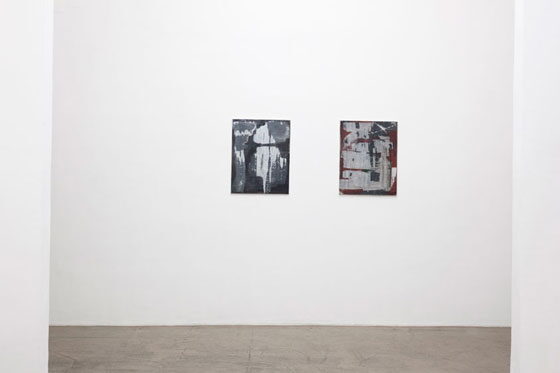
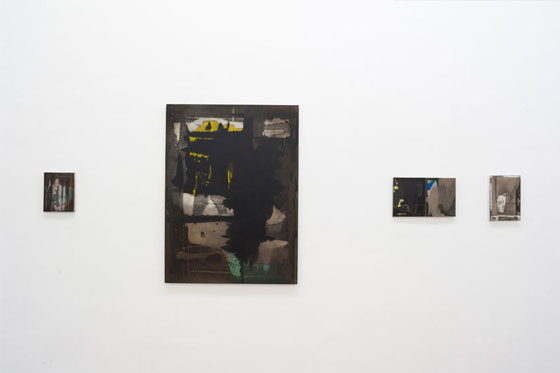
Press Release
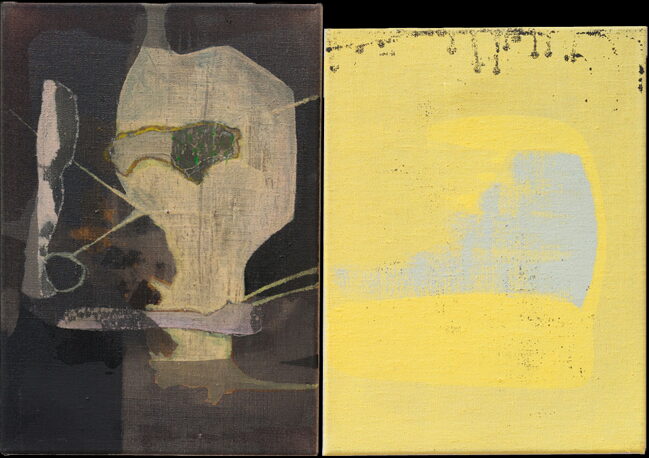
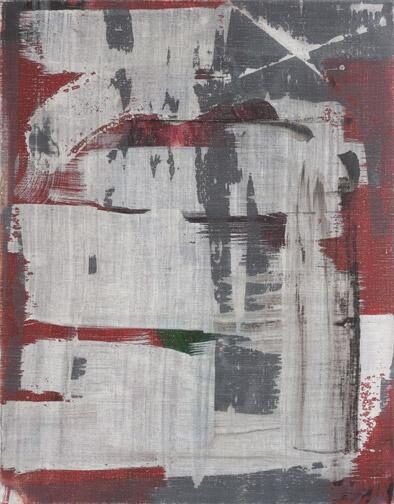
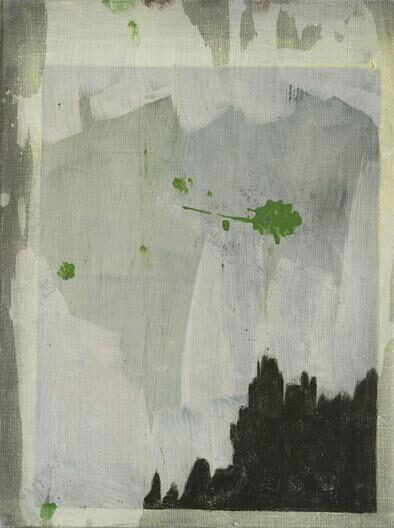
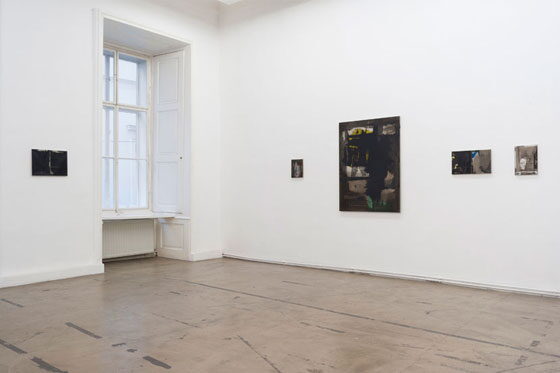
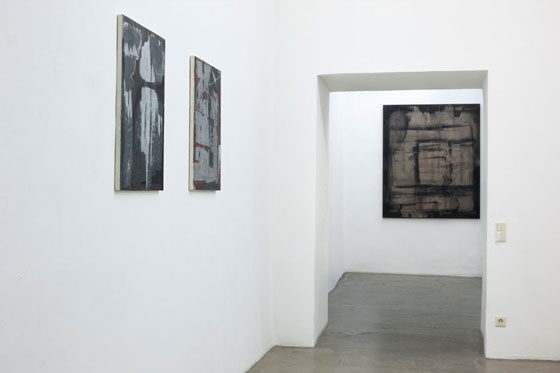
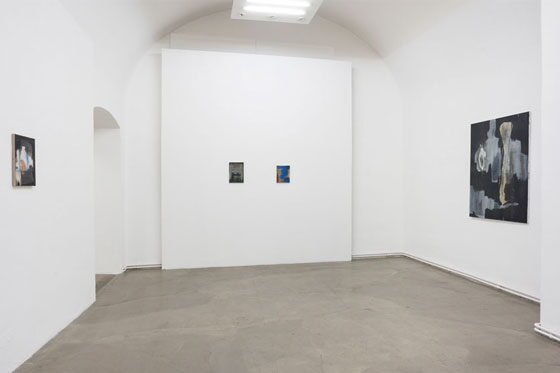
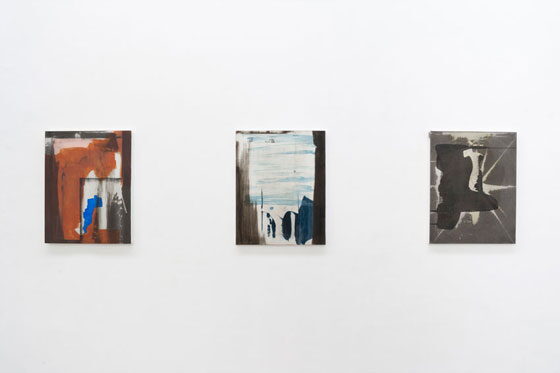
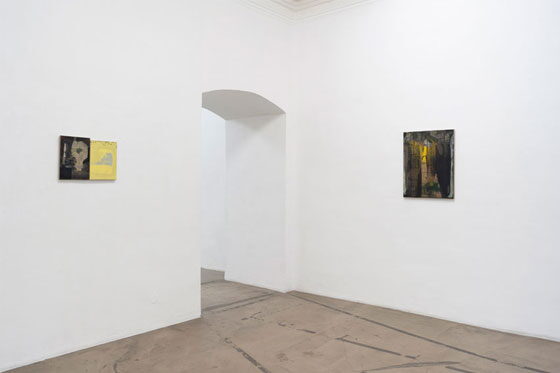
A first look at the exhibition of new paintings by Erwin Bohatsch may come as a surprise: they are predominantly small formats, and they are pictures with an unusually lyrical feel. They have emerged over the past three years from intensive reflection on painting, and the deliberate restriction offered the possibility of focusing gaze and attention on the essential. Large pictures are often committed to a rhetoric of persuasion – one that can certainly be viewed positively – which foregrounds the “effect”, the convincing, successful work. What is visible – colour, texture, gestures and the picture-object itself – thus merges into an overall effect that often outshines the painterly.
Paradoxically, the obviousness of Erwin Bohatsch’s new works brings into view precisely the invisible, which has always been decisive for painting. In the traditional use of painting, materiality – depicted scenes, actions, objects and persons – has a central function, enabling it to serve as testimony of the invisible. (In the context of religiously motivated depictions, it bears witness to the workings of God.) This relationship between pictoriality, the visible and the invisible then carried over into abstract painting as well. Precisely because abstract art, freed from the obligations of representation, is bound only to the intrinsic laws of painting, a broad sphere of the numinous, open to existentialist interpretation, arose from the echo of this loss of the world. An essentialist deeper meaning of art was to be made concrete, as a pure emanation of art itself, in abstract works charged with aura and presented in the white cube. For this reason, a glimmer of faith in art repeatedly surrounds abstract works, especially paintings. One essential reason for this lies in the obvious, in the concrete being-there and being-thus of intentionally designed objects from which no meaning pointing beyond them can be derived – except perhaps a sense of wonder, such as natural things of unusual form can also convey to us.
Erwin Bohatsch chooses the “small form” in order to offer these references from the history of ideas only a small surface on which to appear, letting them fade away, as it were, like semantic background noise. His paintings therefore also seem more personal and more lyrical, and appear to be notations and studies that accompany and continue a reflection on painting. By “letting it paint”, with an interested eye on what is happening pictorially, he develops thoughts in the form of paintings out of the act of painting itself. Erwin Bohatsch has mastered painting: placement, chance, gesture, texture and gradients are a repertoire at his command. He now seems to give up this mastery without losing his self-command. He restrains himself, holds back and becomes an observer himself. This restraint brings his painting close to us in an unusual and intense way, creating an openness that also frees our seeing. The invisible is not situated outside the painterly, and the pictures activate the roles of the viewers within the vibrating structure of painterly articulations. Painting shows itself and lets us see something again – something we need not understand as the artist’s will to expression, something we need not grasp as an argument in the discourse of art theory, but something that can be beheld once more.
Standard Review: